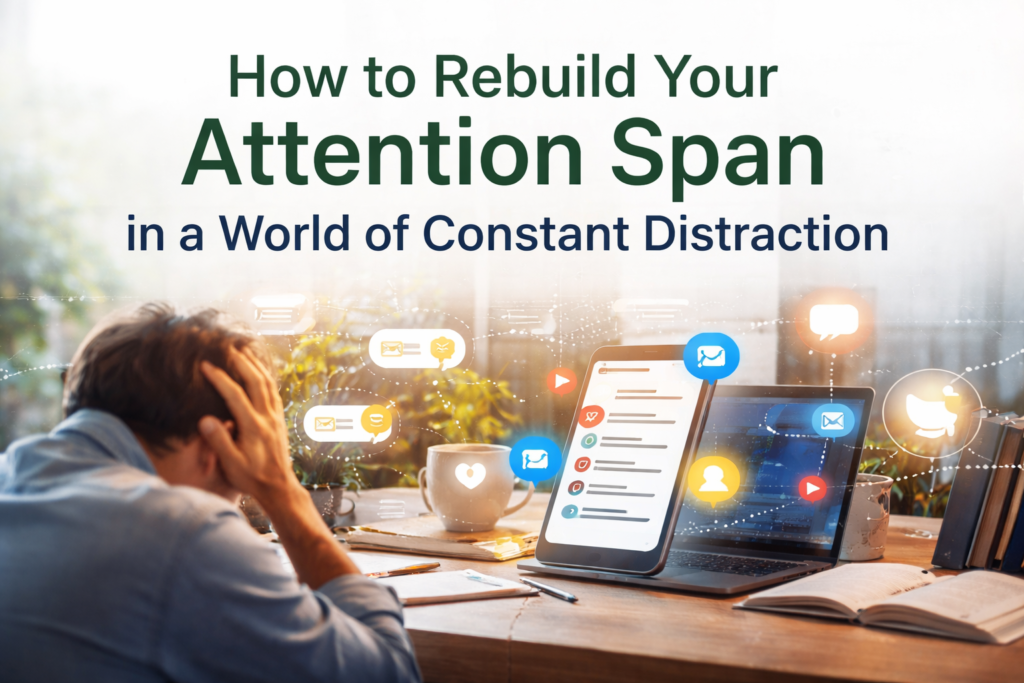
Screens have become an unavoidable part of modern life. From smartphones and laptops to tablets and televisions, digital devices now occupy a large portion of our daily routines. They help us work, communicate, learn, and entertain ourselves. Yet as helpful as these technologies are, excessive screen time can gradually begin to affect our focus, sleep quality, productivity, and overall well-being.
Many people recognize the need to reduce their screen time but struggle with the idea of disconnecting from the digital world. After all, technology is deeply integrated into work, social interaction, and daily responsibilities.
The goal of reducing screen time is not to eliminate technology altogether. Instead, it is about using technology more intentionally so that it supports your life rather than dominating your attention.
With a few practical adjustments, it is possible to create healthier digital habits while staying connected to the things that matter.
Understanding How Screen Time Expands
One reason screen time grows so easily is that digital activities often blend together. A quick message check turns into browsing social media. A short online search becomes an hour of reading articles or watching videos.
Because these activities are frictionless and always accessible, it becomes difficult to notice how much time is passing.
Smartphones in particular encourage frequent checking behavior. Notifications, messages, and app alerts create small moments of curiosity that repeatedly pull our attention back to the screen.
Over the course of a day, these small interactions accumulate into several hours of screen time, often without us realizing it.
Recognizing this pattern is the first step toward creating more balanced digital habits.
Identify Your Most Time-Consuming Digital Activities
Reducing screen time becomes easier when you understand which activities consume the most attention.
Most smartphones and computers now include built-in tools that track digital usage. These reports can show how much time is spent on different apps, websites, and categories of activity.
Many people are surprised by the results.
Social media platforms, streaming services, and messaging apps are often the largest contributors to daily screen time. While these tools are not inherently harmful, excessive use can crowd out other valuable activities.
Once you identify the apps or behaviors responsible for most of your screen time, it becomes easier to adjust your habits.
Turn Off Nonessential Notifications
Notifications are one of the biggest drivers of digital distraction.
Each alert triggers a small interruption that pulls your attention away from whatever you were doing. Even if the interruption only lasts a few seconds, it disrupts your mental flow and makes it harder to return to focused work.
Many notifications are not truly urgent.
Turning off alerts from nonessential apps can dramatically reduce the number of times you feel compelled to check your phone throughout the day.
Instead of reacting to constant notifications, you can choose specific moments to review messages, updates, and other digital information.
This small change often leads to noticeable improvements in focus and mental clarity.
Create Phone-Free Periods During the Day
Another effective strategy is setting aside short periods when digital devices are intentionally avoided.
These breaks allow the mind to rest from constant stimulation and help rebuild the ability to focus without distraction.
For example, some people choose to keep their phones away during meals, exercise, or certain work sessions. Others create a short digital break in the evening to unwind before bedtime.
Even brief phone-free periods can have a powerful effect on attention and relaxation.
Over time, these moments of disconnection begin to feel refreshing rather than restrictive.
Replace Screen Habits With Meaningful Activities
Reducing screen time becomes easier when you replace digital habits with activities that feel rewarding.
Without alternatives, removing digital entertainment can create boredom or frustration. However, introducing other activities helps fill that space in a healthier way.
Some examples include:
- Reading physical books or magazines
- Going for walks or spending time outdoors
- Practicing hobbies such as drawing, cooking, or music
- Exercising or stretching
- Spending time with friends or family
These activities provide mental stimulation and relaxation without the constant interruptions associated with digital environments.
Protect Your Sleep From Late-Night Screen Use
One of the most important benefits of reducing screen time occurs at night.
Exposure to screens before bedtime can interfere with sleep quality. The blue light emitted by many devices affects the body’s natural sleep cycle, making it harder to fall asleep and stay asleep.
Creating a screen-free period before bedtime allows the brain to transition gradually into a more relaxed state.
Many people find that replacing late-night scrolling with quiet activities such as reading, journaling, or meditation improves both sleep quality and overall energy levels.
Better sleep, in turn, improves focus, mood, and productivity during the day.
Make Technology Work for You
Technology itself is not the problem. In many cases, it improves efficiency and makes communication easier.
The challenge arises when technology begins to control our attention rather than support our goals.
By adjusting how and when devices are used, it becomes possible to maintain the benefits of digital tools without experiencing constant distraction.
Intentional technology use encourages healthier habits, better concentration, and more meaningful use of time.
Over time, these small adjustments can transform the relationship people have with their devices.
Instead of feeling overwhelmed by constant notifications and endless digital content, individuals can regain a sense of balance between the online and offline parts of life.