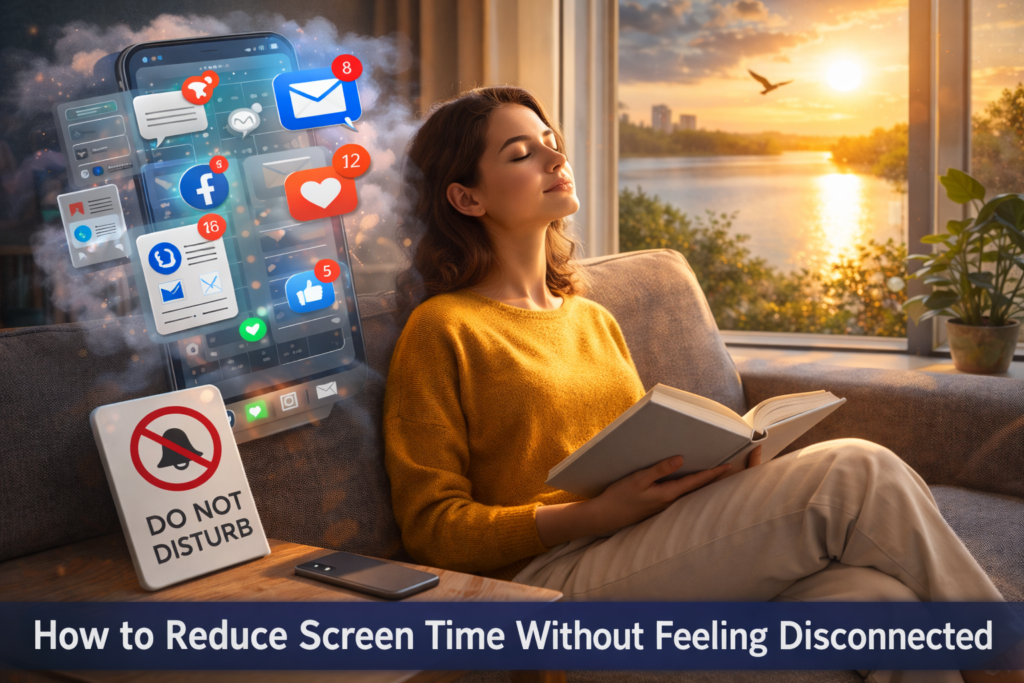
Technology has become deeply integrated into everyday life. Smartphones wake us up in the morning, computers help us work, and digital platforms keep us connected with friends, news, and entertainment. While these tools offer incredible convenience, constant connectivity can also create challenges for mental focus, sleep quality, and overall well-being.
Many people feel that their relationship with technology has become automatic rather than intentional. Notifications interrupt conversations, screens fill moments that used to be quiet, and digital habits often develop without conscious awareness.
Building healthier technology habits does not require abandoning modern tools. Instead, it involves learning how to use technology in ways that support productivity, focus, and personal balance.
Understanding Digital Habit Loops
Many digital behaviors follow the same structure as other habits.
A notification appears, which triggers curiosity. The user opens the device, interacts with content, and receives a small reward—such as a message, interesting post, or entertaining video.
This reward reinforces the behavior, making the brain more likely to repeat it the next time a similar trigger appears.
Over time, these loops become automatic. People may unlock their phones dozens of times per day without consciously deciding to do so.
Understanding how these habit loops work is an important first step toward changing them.
Recognizing Invisible Screen Time
Many individuals underestimate how often they interact with digital devices.
Short interactions—such as checking notifications, scrolling briefly, or switching apps—may only last seconds, but they accumulate quickly throughout the day.
Built-in device analytics can provide insight into daily screen time and app usage. Reviewing these reports often reveals patterns that would otherwise go unnoticed.
Once people become aware of their digital habits, they can begin making more intentional decisions about how their time is spent.
Redesigning the Digital Environment
Our environments strongly influence behavior.
If the most distracting apps appear on the home screen, they become easier to access automatically. Rearranging the digital environment can make healthier choices easier.
For example, some people move social media apps into folders or remove them from the main screen entirely. Others disable visual notifications for nonessential apps.
These small changes create friction that encourages more mindful device use.
Creating Intentional Technology Breaks
One of the simplest ways to build healthier digital habits is by introducing short technology breaks throughout the day.
These breaks allow the brain to rest from continuous digital input.
Examples include:
- short walks without a phone
- meals without screens
- reading physical books instead of digital feeds
- spending time outdoors without devices
Even brief moments away from screens can help restore mental clarity and reduce cognitive fatigue.
Protecting Focus During Work
Digital distractions can significantly impact productivity.
Notifications, email alerts, and message pop-ups often interrupt concentration and force the brain to repeatedly switch tasks.
Creating focused work periods can reduce these interruptions.
During these blocks of time, many professionals silence notifications, close unnecessary applications, and dedicate attention to a single task.
This approach often leads to higher-quality work and less mental exhaustion.
Building Healthier Evening Routines
Technology use late at night can affect sleep quality.
Bright screens and stimulating content can make it difficult for the brain to transition into a relaxed state. Blue light from devices may also interfere with natural sleep signals.
Developing a calming evening routine can help improve sleep.
For example, some people stop using screens at least 30 minutes before bedtime and replace digital activities with reading, journaling, or quiet reflection.
These routines help signal to the body that it is time to rest.
Replacing Digital Habits With Meaningful Activities
Reducing screen time becomes easier when alternative activities are available.
Instead of focusing only on limiting technology, it can be helpful to introduce other rewarding experiences.
Examples include:
- exercising or stretching
- creative hobbies such as drawing or music
- cooking or preparing meals
- spending time with family or friends
These activities provide enjoyment and relaxation without relying on digital stimulation.
Building Long-Term Digital Balance
Healthy technology use is not about strict rules or eliminating devices entirely.
Digital tools are valuable for communication, learning, and productivity. The goal is to use them intentionally rather than automatically.
Small changes—such as adjusting notifications, creating device-free moments, and protecting focus periods—can gradually transform daily habits.
Over time, these adjustments help restore balance between digital engagement and personal well-being.
In a world where technology continues to evolve rapidly, learning how to manage it effectively is becoming one of the most important skills for maintaining focus, productivity, and mental health.